
A job should feel safe and fair. Each person deserves respect, equal pay, and a chance to grow. Sadly, some workers face bias and unfair acts at work. Workplace Discrimination can hurt pay, roles, and peace of mind. It can show up in hiring, promotion, or daily tasks.
Alex M. Sonson knows how hard it feels when a job turns into stress. Clear facts help people spot red flags early and take smart steps. Learning what counts as unfair treatment helps workers protect their rights and build strong careers. This blog breaks down signs, laws, and simple ways to respond when bias appears.
What Is Workplace Discrimination?
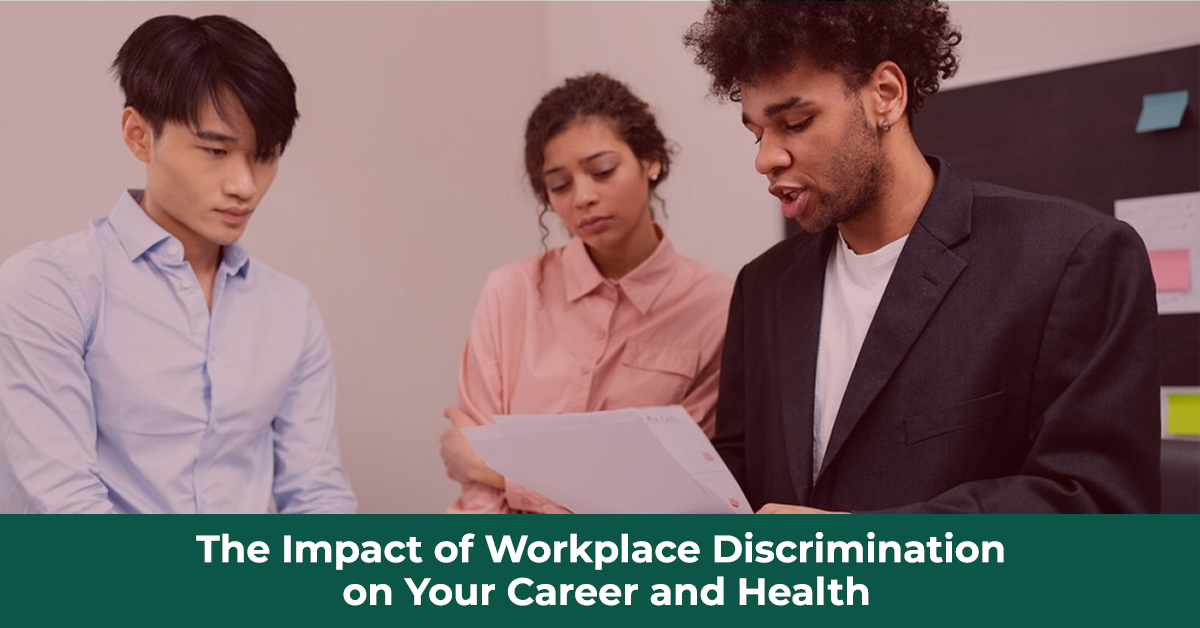
Workplace discrimination happens when a worker gets treated unfairly due to who they are. Bias may relate to race, gender, age, faith, health, or where someone comes from. A boss or coworker may act in ways that block fair chances or respect.
Simple examples include being passed over for a job due to age or being paid less due to gender. Some workers face rude comments or unfair rules. Others lose hours or chances to grow. Each case can feel different, yet all share one core issue. A person faces harm due to their identity rather than their job skills.
Common Types of Workplace Discrimination
Bias at work can take many forms. Knowing the signs helps workers act early. Some of the most common types of workplace discrimination include:
- Unequal pay for equal work
- Denied promotion despite strong work
- Harsh rules for one group only
- Offensive jokes or slurs
- Refusal to give fair breaks or leave
- Firing due to age, race, gender, or health
Each sign may seem small at first. Yet patterns build over time. When unfair acts repeat, a worker may face deep stress and loss of trust.
How to Spot Discrimination at Work?
Not all bias looks clear. Some acts feel subtle. Still, workers can learn to notice warning signs.
First, watch how leaders treat others. If one group gets perks and another gets pushback, bias may exist. Next, check pay and role changes. A sudden drop in hours or a missed promotion can signal trouble. Also note how bosses speak to staff. Harsh words or rude jokes aimed at one group raise concern.
Trust gut feelings. If work starts to feel unfair or unsafe, pause and review facts. Keep notes of dates, talks, and emails. Small records help build a clear picture.
A fair job should feel balanced. Praise, feedback, and chances should reach all staff. When balance fades, it may point to a deeper issue.
Laws That Protect Workers
Strong workplace discrimination laws exist to protect workers across the United States. These rules guard against bias tied to race, gender, age, faith, and health. Federal and state laws work together to keep jobs fair.
For example, Title VII of the Civil Rights Act bars bias due to race, color, religion, sex, or national origin. The Age Discrimination in Employment Act protects older workers. The Americans with Disabilities Act helps workers with health needs get fair support.
Employers must follow these rules. They must give equal chances, fair pay, and safe spaces. When rules are broken, workers have a right to act. A legal claim can push for change and fair treatment.
Why Legal Help Matters?
Facing bias at work can feel lonely. Some workers fear losing jobs if they speak up. Others feel unsure about the proof or next steps. Legal help brings clear support and a plan.
A skilled discrimination in the workplace lawyer listens to the story and reviews facts. They guide clients on rights and options. They may help file a claim or speak with employers. Strong legal support helps level the field.
At the Law Offices of Alex M. Sonson, each case gets personal care. Alex M. Sonson focuses on clear advice and honest talk. Clients learn what steps to take and what results may look like.
Reliable workplace discrimination law services help protect jobs, pay, and peace of mind. A trusted legal team can push for fair action and hold employers to the law.
Subtle Signs People Often Miss
Not all bias looks loud or clear. Some forms stay quiet yet still harm workers.
A boss may exclude one worker from key meetings. Another worker may face unfair reviews despite strong work. Some staff get jokes about culture or age. These acts may feel small alone. Over time, they form a pattern.
Bias can also hide in policy. A rule may block time off for faith days. A dress code may target one group. These cases still count as discrimination if they harm fair access.
Workers should watch for patterns. If unfair acts repeat, it may be time to seek help from the best workplace discrimination lawyer with real experience in such cases.
Steps to Take if You Notice Discrimination
Taking action may feel hard, yet small steps help build strength and proof. Start with calm and clear moves.
Keep records of events. Save emails, texts, and reviews. Write dates and names. Next, check the company policy. Some jobs have HR steps for filing a concern. Use those steps if safe.
If issues continue, speak with a legal professional. A lawyer can review the proof and guide the next moves. Early advice helps avoid mistakes and builds a strong case if needed.
A safe and fair job is not a dream. It is a right. Workers deserve equal respect and chances to grow.
How Alex M. Sonson Supports Clients?
The Law Offices of Alex M. Sonson offers clear and steady help for workers facing bias. Each client gets personal attention and honest advice. The firm reviews facts and explains legal rights in simple terms.
Alex M. Sonson believes in fairness and respect. Clients learn how to protect careers and stand up for rights. From the first talk to the final step, support stays strong and clear.
Legal help should feel easy to understand. With the right support, workers gain the power to act and move forward.
Speak Up and Protect Your Rights Today
No one should face bias at work and feel stuck. Fair pay, equal chances, and respect belong to every worker. If you suspect unfair treatment, now is the time to act.
The Law Offices of Alex M. Sonson stands ready to help you understand your rights and explore legal options. Speak with a trusted legal ally who cares about your future. Reach out today and take the first step toward a fair and safe workplace.
Frequently Asked Questions
Q1: What counts as workplace discrimination?
Unfair treatment due to race, gender, age, faith, health, or origin counts as discrimination. It may affect pay, role, or job safety.
Q2: How do I know if I’m being discriminated against at work?
Look for patterns of unfair pay, missed promotion, rude comments, or harsh rules aimed at you or a group you belong to.
Q3: Can workplace discrimination be subtle or unintentional?
Yes. Bias can show up in small acts or quiet rules. Even if not planned, harm still counts if it affects fair treatment.
Q4: What should I do if I experience workplace discrimination?
Keep records of events and talk with a lawyer. Legal advice helps you know your rights and next steps.
Q5: Is unfair treatment at work always considered discrimination?
Not always. It becomes discrimination when unfair acts are linked to identity, such as race, age, gender, or health.